
Blog
Why Is My Cat Drooling? Causes, Symptoms, and Care Tips

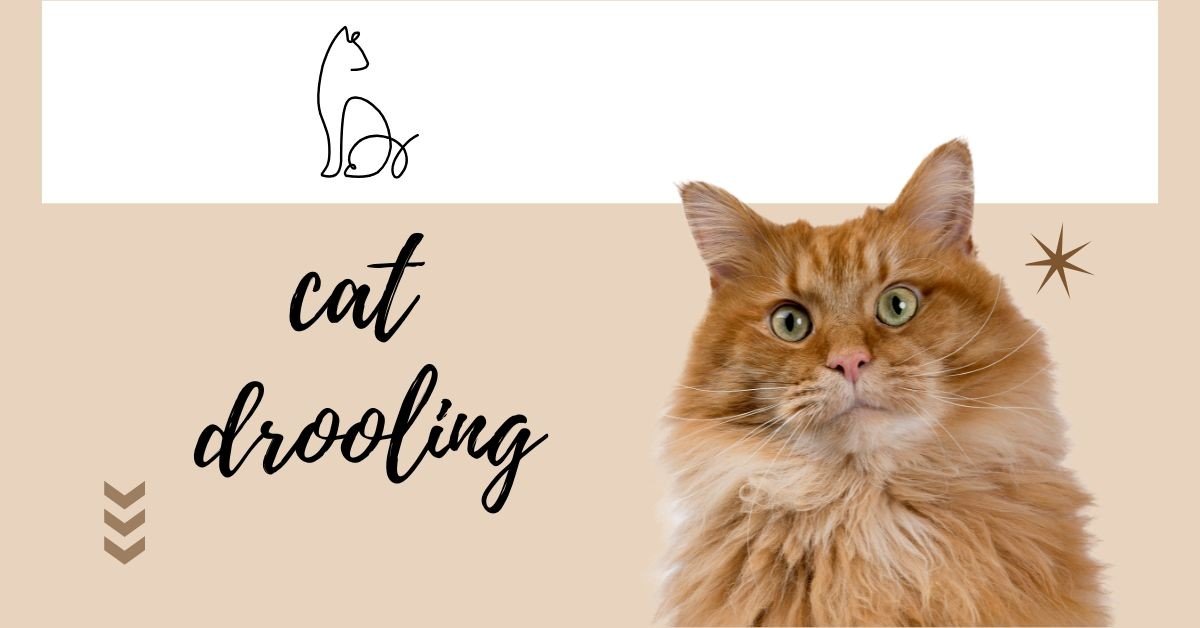
Cats are usually meticulous about grooming themselves, so when you notice drooling, it can be concerning. Cat drooling, or hypersalivation, isn’t always normal and can indicate various underlying issues. While some cats may drool when extremely relaxed or happy, persistent drooling is often a sign that something is wrong. In this article, we’ll explore the reasons why your cat might be drooling, how to identify potential health problems, and steps you can take to keep your feline friend healthy and comfortable.
Understanding Cat Drooling
Drooling in cats refers to excessive saliva that escapes from the mouth. Unlike dogs, cats rarely drool unless something is bothering them. Some cats may drool slightly when being petted or during play, which is considered normal. However, frequent or heavy drooling could signal health concerns. Understanding the context and accompanying symptoms is critical to addressing the problem properly.
Read More: Types of Siamese Cats: A Guide to Elegance and Variety
Normal Drooling in Cats
Some cats drool when they are extremely content or relaxed. This often occurs when they are being petted or lying in a comfortable position. This type of drooling is usually harmless and is not associated with any other symptoms. Kittens may also drool slightly when nursing or during early teething, which is considered normal behavior.
Dental Issues as a Major Cause
One of the most common reasons for cat drooling is dental problems. Cats with gum disease, tooth decay, abscesses, or broken teeth may drool excessively. Dental pain causes them to salivate more in an attempt to soothe discomfort. You may also notice other signs like bad breath, pawing at the mouth, or difficulty eating. Regular dental check-ups and proper oral care are crucial for preventing drooling caused by dental issues.
Oral Infections and Ulcers
Oral infections, including bacterial, viral, or fungal infections, can irritate the cat’s mouth, leading to drooling. Mouth ulcers, often caused by viruses like feline calicivirus, are particularly painful and can make it difficult for cats to eat or groom themselves. These conditions usually require veterinary attention for proper diagnosis and treatment.
Toxins and Poisoning
Cats are naturally curious and may chew on plants, chemicals, or household items that are toxic to them. Ingesting toxic substances like certain plants (lilies, philodendrons), human medications, or cleaning agents can cause drooling. Other symptoms of poisoning may include vomiting, diarrhea, lethargy, and unsteady movements. Immediate veterinary care is essential in cases of suspected poisoning.
Nausea and Gastrointestinal Issues
Cats may drool when they feel nauseous or have gastrointestinal issues. Nausea can be caused by infections, eating spoiled food, kidney disease, or motion sickness during travel. Drooling may be accompanied by vomiting, reduced appetite, or lethargy. Identifying the underlying cause is vital for effective treatment.
Respiratory Infections
Upper respiratory infections, such as feline herpesvirus or calicivirus, can cause drooling. These infections often result in additional symptoms like sneezing, coughing, nasal discharge, and watery eyes. While mild cases may resolve on their own, severe infections may require antiviral medications or antibiotics.
Pain and Discomfort
Cats may drool as a response to pain in other parts of the body, not just the mouth. Painful conditions like arthritis, injury, or internal issues can stress a cat and trigger drooling. Observing changes in behavior, such as hiding, decreased activity, or sensitivity to touch, can help identify if pain is the culprit.
Foreign Objects in the Mouth
Sometimes, cats may get foreign objects like string, small toys, or bones stuck in their mouths or throats. This can lead to irritation, excessive saliva production, and difficulty eating. Drooling caused by a lodged object is usually sudden and may require urgent veterinary attention.
Heatstroke and Overheating
Excessive heat can also cause cats to drool. Unlike dogs, cats generally do not pant frequently, so drooling may be one of the few signs of overheating. Other signs of heatstroke include rapid breathing, lethargy, vomiting, and collapse. Immediate cooling and veterinary care are crucial in such cases.
Behavioral Drooling
Some cats may drool when they are highly stressed, anxious, or excited. This is usually situational and does not last long. For example, a cat may drool when being groomed, during travel, or when introduced to new environments. Reducing stress and providing a calm environment can help minimize this type of drooling.
Diagnostic Steps for Drooling Cats
If your cat is drooling excessively, it’s important to consult a veterinarian. Diagnostic steps may include a thorough physical examination, oral inspection, blood tests, X-rays, or ultrasounds to identify the underlying cause. Providing your vet with detailed observations about your cat’s drooling patterns, diet, and behavior can aid in accurate diagnosis.
Treatment Options for Cat Drooling
Treatment depends on the cause of drooling. Dental problems may require cleaning, extractions, or antibiotics. Oral infections could need antiviral or antifungal medications. In cases of poisoning or foreign objects, immediate veterinary intervention is critical. Managing nausea or gastrointestinal issues may involve dietary changes, medications, or fluid therapy. Supporting your cat’s comfort and ensuring proper hydration is essential during treatment.
Home Care and Prevention
Preventing drooling starts with maintaining good oral hygiene, a safe environment, and regular veterinary check-ups. Brush your cat’s teeth, provide dental treats, and remove toxic plants or chemicals from their reach. Keep your cat’s diet consistent and avoid sudden changes that may upset their stomach. Regular observation of their behavior, appetite, and grooming habits helps detect problems early.
When to Worry About Cat Drooling
While occasional drooling may be harmless, certain signs indicate a serious problem. Seek veterinary care immediately if drooling is accompanied by vomiting, lethargy, bad breath, bleeding, swelling in the mouth, difficulty breathing, or behavioral changes. Quick action can prevent complications and ensure your cat’s well-being.
Tips for Comforting a Drooling Cat
If your cat is drooling due to stress or mild discomfort, gentle handling and reassurance can help. Offer soft food, a quiet space, and plenty of water. Avoid forcing interaction if the cat prefers to hide. Using pet-safe calming sprays or pheromones can also reduce stress-induced drooling.
Conclusion
Cat drooling can stem from a variety of causes, ranging from harmless contentment to serious health problems. Observing your cat’s behavior, oral health, and overall well-being is key to identifying the cause of drooling. Timely veterinary care, proper home management, and preventive measures can ensure your cat remains healthy, happy, and drool-free.
FAQs
1. Is drooling always a sign of illness in cats?
Not always. Cats may drool when relaxed, happy, or teething. Persistent drooling, however, should be checked by a vet.
Read More: Tech Pets for the Elderly: A Hopeful and Enjoyable Alternative
2. Can dental care prevent cat drooling?
Yes, regular brushing, dental treats, and professional check-ups can prevent drooling caused by dental problems.
3. What toxic substances cause drooling in cats?
Certain plants, chemicals, human medications, and spoiled food can cause drooling and require urgent care.
4. How can I tell if drooling is stress-related?
Stress-related drooling often occurs in specific situations like travel or new environments and subsides when the cat is calm.
5. Should I try home remedies for drooling?
Only mild cases caused by stress can be managed at home. Persistent, severe, or accompanied drooling should always be assessed by a veterinarian.

Türk Idla: Turkey’s Digital Culture Wave Redefining Identity Online

BugsIsDead: Exploring the Phenomenon Behind the Name

Betametacron: Uses, Benefits, Side Effects & Complete Guide

Why AI Humanizers Are Becoming Essential for Natural, Authentic Writing

Kipflix: Your Ultimate Guide to Streaming Smarter

Crypto30x.com Avalanche: Guide to Smart Crypto Investing

The Mystery and Meaning of Cartetach: A Deep Exploration
Why Your Desk Is Always Messy (and How to Fix It)

The 5 Best AI Humanizers to Use in 2026 (Expert Comparison & Results)

What is Currency Trading and its Strategy and Technique?

Dintoube: A Complete Guide to Its Meaning, Use, and Influence

SonderMind Login: Your Complete Access & Support Guide

From 14 Days to 72 Hours: How Precision Aluminum Prototyping Saves 30% in Development Costs for Medical Device Companies?

How to Design Custom PCBs Fast: A Simple Step-by-Step Guide

Precision CNC Milling: How to Achieve 85% First-Pass Functional Success Rate for Your IoT Hardware

The Rise of Niche Offshore Roles in Emerging Tech

Turn Yourself Into a Star: The Ultimate Movie & Celebrity Face Swap Experience

Damplps: The Digital Term Transforming Online Creativity

Mmdbee: The Ultimate Guide to Understanding Its Impact and Uses

How Finance Firms Can Stop Invoice Fraud with Targeted Simulations
Türk Idla: Turkey’s Digital Culture Wave Redefining Identity Online
BugsIsDead: Exploring the Phenomenon Behind the Name
Betametacron: Uses, Benefits, Side Effects & Complete Guide

How to Use a Temporary Number for WhatsApp

Sepatuindonesia.com | Best Online Store in Indonesia

The Best Methods to Download TikTok Videos Using SnapTik
-
 Tech1 year ago
How to Use a Temporary Number for WhatsApp
-
 Business2 years ago
Sepatuindonesia.com | Best Online Store in Indonesia
-
 Social Media1 year ago
The Best Methods to Download TikTok Videos Using SnapTik
-

 Technology1 year ago
Top High Paying Affiliate Programs
-

 Tech10 months ago
Understanding thejavasea.me Leaks Aio-TLP: A Comprehensive Guide
-

 FOOD12 months ago
How to Identify Pure Desi Ghee? Ultimate Guidelines for Purchasing Authentic Ghee Online
-
 Instagram3 years ago
Free Instagram Auto Follower Without Login
-
 Instagram3 years ago
Free Instagram Follower Without Login