
Health
Sensitive Teeth? Here Is the Relief (Toothpaste & Mouthwash Solutions)

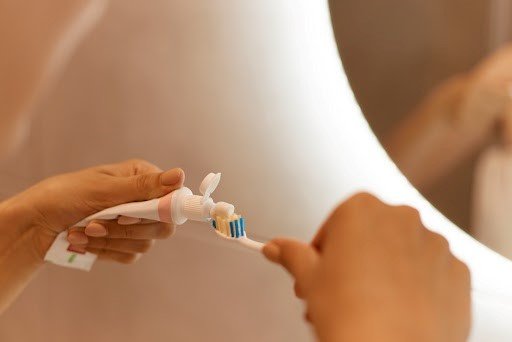
Do you have sensitive teeth? Tooth sensitivity is an issue that occurs when the softer layer of teeth gets exposed. That’s why you wince while sipping hot tea or consuming ice cream. Sensitivity causes chronic, intermittent pain, which can be concerning. However, do not worry, as this blog post will explore some sensitivity relief options like sensitive toothpaste and mouthwashes, which will help you establish a sensitivity-free routine.
In India, tooth problems are common, as they affect millions of Indians. However, only 5% Indians look for proactive dental care. Sensitivity is one of the prevalent dental issues, and many people decide to ignore the pain and discomfort. Switching to desensitizing toothpaste and mouthwash is an effective solution that can reduce pain and protect enamel. But what actually causes tooth sensitivity? Let’s find this out.
What Causes Tooth Sensitivity?
There are multiple reasons behind sensitive teeth. Some reasons include:
- Acidic foods such as citrus, tomatoes, pickles, and tea can wear down the outer layer of the teeth.
- A crack in a tooth can let bacteria in and irritate.
- Swollen or infected gums can expose the roots.
- Gum recession or damaged gums may reveal the core root surface of the tooth.
- Teeth grinding is common among children. This can also wear down the enamel in the tooth.
How Sensitive Toothpaste Works
Choosing the right toothpaste for sensitive teeth and gums is important to manage chronic sensitivity effectively. Some crucial ingredients in sensitive toothpastes offer gentler relief. For example, SLS-free toothpastes avoid the harshness of sulphates, which can cause irritation in teeth.
No Harsh Ingredients
While choosing a toothpaste for sensitive teeth, checking the active ingredients is crucial. These key ingredients are there to reduce overall discomfort and protect the teeth and gums from discomforting pain. Most sensitive toothpastes contain desensitizing agents that can block the nerve signals or tubules.
Here are the key ingredients used in the sensitive toothpastes and how they work:
- Nano Hydroxyapatite: Nano Hydroxyapatite, or nHAp, has been a critical part of dental care. This active ingredient helps to build the enamel layer of teeth in layers and strengthens it.
- Potassium Nitrate: Potassium Nitrate can ease the dental nerves and enable rapid relief from pain. Furthermore, it also helps in building a rapid barrier against the sensitivity triggers (hot, cold, sweet, and acidic foods).
Some desensitizing toothpastes also use Lactoferrin, which helps to prevent bacterial infections and reduce plaque accumulation.
Effective Use of Sensitivity Toothpaste
To get optimal relief from tooth sensitivity, you have to use standard-quality anti-sensitivity toothpaste to feel the results. You have to use the toothpaste consistently, as you will not see the results overnight. You can use toothpastes like Dente91 Sensitive Toothpaste, one of the best anti-sensitivity toothpastes, as it contains the required ingredients to reduce sensitivity.
Use a toothbrush that has a softer bristle alongside your sensitive toothpaste. This will help you to avoid mechanical irritation and further abrasion to the sensitive areas of your teeth and gums.
Role of Sensitive Mouthwash in Oral Care
In the world of oral hygiene, sensitive mouthwash is one of the best companions to elevate your oral health. Mouthwashes add up to the comprehensive dental routine of brushing and flossing as they complement the toothpastes by reaching in difficult areas inside the mouth, like in-between spaces of teeth and gumline.
For users who have sensitive teeth, choosing the right alcohol-free mouthwash is essential for reducing irritation. Here’s how sensitive mouthwash can help you:
- Soothes the irritated tissues inside
- Alcohol-free mouthwashes reduce the dryness inside the mouth
- Kills bacteria leading to cavities, gum disease, and bad breath. Sensitive teeth are more prone to these risks.
- Strengthens enamel, which can reach the nerve endings
- Helps in extending the relief offered by desensitizing toothpastes
Effective Usage of Mouthwash for Reduced Sensitivity
To reduce sensitivity in teeth, an alcohol-free mouthwash, like Dente91 Aqua Sensitive Mouthwash, can be used. Mouthwash should be used as a part of a properly-timed oral care routine. Use the sensitive mouthwash after a brief interval of brushing. Do not drink or eat anything for at least 30 minutes after using the mouthwash.
Here is a table that depicts the daily routine for sensitive teeth relief.
| Step | What to Use | Why It Helps |
| Morning | Sensitive toothpaste | Provides a protective layer |
| After Meals | Rinse with water or mouthwash | Neutralizes acids |
| Night | Sensitive toothpaste + mouthwash | Overnight desensitizing protection |
Table 1: Daily Routine for Sensitive Teeth Relief
Wrapping Up
Tooth sensitivity can cause interference with your daily activities, reducing the quality of your oral health. However, there are multiple ways to manage it. Using particularly formulated sensitive toothpaste and mouthwash can make a significant difference.
Start Using the Right Sensitive Toothpaste and Mouthwash to Experience Significant Results
Experiencing sensitivity issues in teeth? Start a comprehensive oral care routine and include desensitizing oral care products in your oral care routine.
Frequently Asked Questions (FAQs)
1. Should I use mouthwash every day?
Ans. Yes, you should consider using mouthwash every day because a sensitive mouthwash provides you with gradual relief from the pain associated with sensitivity.
2. Are your oral products Paraben-free?
Ans. Yes, all our oral products are Paraben-free.
3. Why is Peppermint oil used in mouthwashes?
Ans. Peppermint oil is used in mouthwashes because of its anti-microbial properties and its ability to reduce plaque and gum infection. People experiencing sensitivity are more likely to face these issues, so using mouthwash is beneficial for them.
4. Can warm saltwater reduce sensitivity-related teeth pain?
Ans. Yes, warm salt water often provides immediate relief from the sensitivity-related tooth pain. But it may not stay for a long time.
5. Can sensitive teeth improve over time?
Ans. Tooth sensitivity can go away on its own or even stay for a longer time, depending on the cause of the sensitivity.

Understanding AI Agent Architecture: From Automation to Autonomous Intelligence

How DMCA Ignored Hosting Help Adult Content Sites?

Other Alternatives to the Bigbunny Login Casino
Web UI Design Services, Custom Web App Development, or Local Product Design: Where to Start

Type-C to C vs Type A to Type C Cable: What’s the Difference?

How Executive Search Software Selects and Manages Senior Leadership Candidates

Data Science Course in Pune with Placement Support: From Classroom Training to Your First Job

Ethical Hacking Courses in Mumbai with Placement: Institutes, Duration, Fees & Jobs 2026

Best Micro Influencer Agency Singapore: Why Micro Beats Macro for Conversion

What Makes a Crypto Exchange Top-Rated? Understanding the Ranking Criteria
Web UI Design Services, Custom Web App Development, or Local Product Design: Where to Start
How Executive Search Software Selects and Manages Senior Leadership Candidates
Other Alternatives to the Bigbunny Login Casino
Type-C to C vs Type A to Type C Cable: What’s the Difference?
How DMCA Ignored Hosting Help Adult Content Sites?
Understanding AI Agent Architecture: From Automation to Autonomous Intelligence


 Tech2 years ago
How to Use a Temporary Number for WhatsApp
- Business3 years ago
Sepatuindonesia.com | Best Online Store in Indonesia
- Social Media2 years ago
The Best Methods to Download TikTok Videos Using SnapTik
- Technology2 years ago
Top High Paying Affiliate Programs
- Tech2 years ago
Understanding thejavasea.me Leaks Aio-TLP: A Comprehensive Guide
- FOOD2 years ago
How to Identify Pure Desi Ghee? Ultimate Guidelines for Purchasing Authentic Ghee Online

 Instagram4 years ago
Free Instagram Auto Follower Without Login
- Instagram4 years ago
Free Instagram Follower Without Login