
Blog
The Complete Guide to Becoming an Auto Electricians

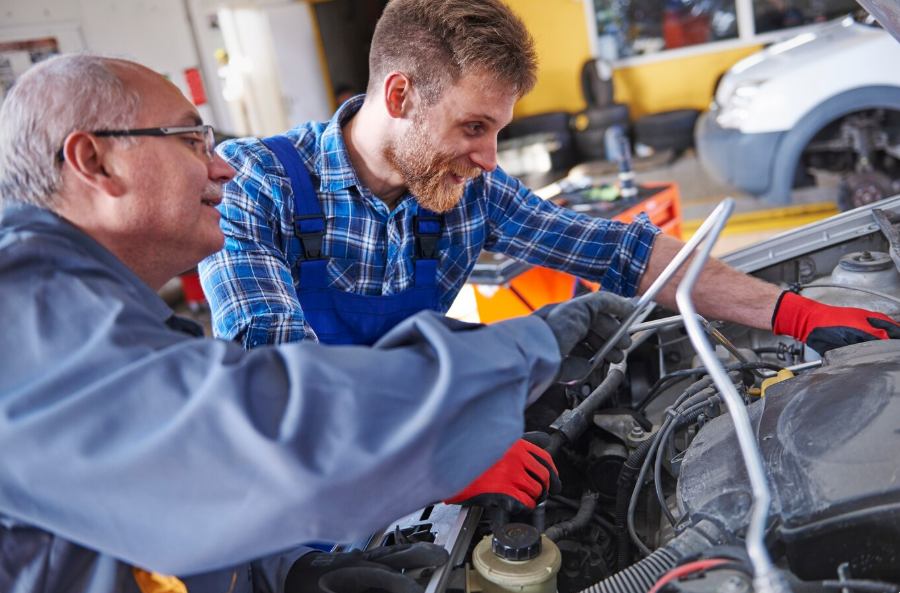
Auto electricians are skilled professionals who specialize in diagnosing and repairing the electrical systems of vehicles. As cars become increasingly reliant on electronic components, the role of auto electricians has grown dramatically. From fixing malfunctioning headlights to troubleshooting complex ECU problems, these technicians are essential in keeping vehicles functioning efficiently and safely.
Role and Responsibilities of an Auto Electrician
An auto electrician works with all electrical components found in vehicles. Their daily tasks include inspecting wiring systems, diagnosing faults using specialized diagnostic equipment, repairing or replacing faulty components, and sometimes installing additional features like alarm systems, GPS trackers, and stereo systems. They must have a deep understanding of the vehicle’s electronics and software systems to work efficiently.
Essential Skills for an Auto Electrician
To succeed as an auto electrician, technical knowledge alone is not enough. One must also possess excellent problem-solving skills, attention to detail, good hand-eye coordination, and the ability to read and interpret complex wiring diagrams. Communication is also key when dealing with customers and explaining faults or solutions clearly.
Tools and Equipment Used by Auto Electricians
Auto electricians rely on various tools to carry out their work. Some common tools include multimeters for checking voltage and resistance, oscilloscopes for more detailed diagnostics, wire strippers, crimpers, soldering irons, and diagnostic scanners that interface with a car’s onboard computer. These tools help them pinpoint issues quickly and carry out repairs effectively.
Types of Vehicles Auto Electricians Work On
While most people associate auto electricians with cars, their expertise often extends to other vehicles like trucks, buses, agricultural machinery, construction equipment, boats, and even aircraft in some cases. Each type of vehicle has its own electrical requirements, making this a diverse and continually evolving career path.
Training and Education Requirements
Becoming an auto electrician typically requires vocational training through a diploma or certification course in automotive electrical systems. In many countries, apprenticeship programs are available, which combine classroom learning with hands-on experience under the guidance of an experienced technician. These programs help build a strong foundation in both the theory and practical aspects of the trade.
Licensing and Certification
In some regions, auto electricians need to be licensed or certified to legally practice. Certifications from organizations like the National Institute for Automotive Service Excellence (ASE) in the U.S. or a similar body in other countries help boost credibility and career prospects. Certified auto electricians are generally more trusted by employers and customers due to their proven competence.
Differences Between Auto Electricians and Mechanics
Although auto electricians and general mechanics often work side-by-side, their areas of expertise are quite different. Mechanics primarily deal with the mechanical parts of a vehicle like the engine, transmission, and brakes, while auto electricians focus on the wiring, sensors, computers, and electronic systems. In modern garages, these two roles are becoming increasingly intertwined as vehicles rely on electronic controls for mechanical functions.
Common Electrical Problems in Vehicles
Vehicles today are loaded with complex electronics, and various issues can arise. Common problems include dead batteries, malfunctioning alternators, faulty starter motors, blown fuses, bad wiring connections, failed sensors, and faulty ECU modules. An auto electrician’s job is to diagnose these issues accurately and fix them without compromising the vehicle’s functionality or safety.
Importance of Diagnostic Skills
Modern vehicles are equipped with onboard diagnostics (OBD) systems that monitor and report various aspects of performance. An auto electrician must know how to use diagnostic tools to retrieve fault codes and interpret them correctly. Misreading these codes can lead to misdiagnoses, wasted time, and increased repair costs for the customer.
Working Environment and Job Conditions
Auto electricians usually work in repair shops, car dealerships, service centers, or sometimes as mobile technicians who visit clients. The job often involves working in tight spaces, under the dashboard, or in engine compartments. It can be physically demanding and sometimes exposes workers to grease, dirt, and extreme temperatures, depending on the workshop’s environment.
Salary and Job Outlook
The salary of an auto electrician depends on factors like location, experience, certification, and employer type. In countries like Australia, the UK, or the U.S., experienced auto electricians can earn a competitive income. The growing reliance on electric and hybrid vehicles is likely to increase demand for skilled auto electricians in the future, making this a stable career option.
Opportunities for Career Growth
Auto electricians have several paths for career growth. They can specialize in areas such as hybrid and electric vehicle systems, diagnostics, or advanced electronics. With additional training and experience, they may also move into supervisory or management roles, start their own workshops, or even become trainers or educators in automotive electrical technology.
Importance in the Era of EVs
As the automotive industry shifts toward electric vehicles (EVs), the role of auto electricians is becoming even more critical. EVs rely entirely on electrical systems, including batteries, motor controllers, and charging systems. Auto electricians must now adapt to new technologies, tools, and safety standards to stay relevant in this emerging field.
Safety Protocols and Precautions
Working with vehicle electrical systems can be hazardous if proper safety measures are not followed. Auto electricians must always disconnect the battery before working, use insulated tools, avoid working on live circuits whenever possible, and wear protective equipment. High-voltage systems in hybrid and electric vehicles require additional precautions and specialized training.
Specialized Fields Within Auto Electrics
Some auto electricians choose to specialize in areas like air conditioning systems, lighting upgrades, in-car entertainment systems, alarm and immobilizer installations, or marine and heavy equipment electronics. These niches often pay higher due to the complexity and customization involved, making them lucrative for skilled professionals.
Mobile Auto Electricians
With increasing demand for convenience, many auto electricians are now offering mobile services. These professionals visit homes, offices, or roadside locations to diagnose and repair electrical faults. Mobile auto electricians require excellent time management and customer service skills in addition to their technical knowledge.
Impact of Automation and AI
The integration of artificial intelligence (AI) and automation in vehicle electronics is altering the way auto electricians work. Features like adaptive cruise control, lane assist, and automatic braking rely on sensors and real-time data processing. Auto electricians now need to understand not just basic circuits but also advanced driver-assistance systems (ADAS) and their integration with AI software.
Tips for Choosing a Reliable Auto Electrician
When selecting an auto electrician, vehicle owners should look for certified professionals with good reviews and transparent pricing. It’s important to ask about their experience with your vehicle make and model, the warranty on repairs, and whether they use genuine parts. A good auto electrician will also explain the problem and solution in clear, simple terms.
How to Start Your Own Auto Electrician Business

Starting an auto electrician business requires not only technical skills but also business acumen. This includes setting up a legal entity, acquiring tools and equipment, marketing services, and managing finances. Building a reputation for quality and reliability can help attract repeat customers and grow the business over time.
The Future of Auto Electricians
The future for auto electricians is bright, especially as the industry shifts toward connected and electric vehicles. The role will likely evolve into that of a high-tech technician, requiring continual learning and adaptation to new technologies. Those who invest in training and embrace innovation will be best positioned to thrive in the years ahead.
Conclusion
Auto electricians play a vital role in the modern automotive industry. Their expertise in diagnosing and repairing vehicle electrical systems keeps our cars running safely and efficiently. As the world moves toward electric and autonomous vehicles, the demand for highly skilled auto electricians will only grow. Whether you’re considering a career in this field or looking to hire one, understanding their work and value is essential in today’s automotive landscape.


Rdxhdcool Explained: Free Movies, Risks, and Reality

Keygeninja Explained: Truth, Risks, and Safer Alternatives

560pmovies Explained: Easy Movie Streaming for Everyone

5 Trusted Sites to buy youtube views (Updated 2025)

The Premium Waiver Benefit Feature: How it Secures Your Child’s Corpus After Demise

TamilPrint1 Explained: Movies, Risks, Legality, and Alternatives

Satexch Explained: Platform Overview, Uses, Risks, and Facts

FilmyzillaHD Explained: Movies, Risks, Legality, and Facts

Wojak Explained: The Meme That Mirrors Internet Emotions

Iscariot Explained: Meaning, History, and Cultural Impact
FlimFly: Everything You Need to Know About This Platform

9xMovies Baby: The Hidden World of Online Movie Streaming

MKV1234 Movies: Features, Uses, Risks and Alternatives

SonderMind Login: Your Complete Access & Support Guide

Filmygod.uk: A Deep Dive Into the Controversial Movie Hub

From 14 Days to 72 Hours: How Precision Aluminum Prototyping Saves 30% in Development Costs for Medical Device Companies?

How to Choose the Best Enclosure and Material for Your Electronic Device to Avoid a 30% Failure Risk

Precision CNC Milling: How to Achieve 85% First-Pass Functional Success Rate for Your IoT Hardware

Damplps: The Digital Term Transforming Online Creativity

Banflic: The Digital Tool Transforming Online Management
Rdxhdcool Explained: Free Movies, Risks, and Reality
Keygeninja Explained: Truth, Risks, and Safer Alternatives
560pmovies Explained: Easy Movie Streaming for Everyone

How to Use a Temporary Number for WhatsApp

Sepatuindonesia.com | Best Online Store in Indonesia

The Best Methods to Download TikTok Videos Using SnapTik
-
 Tech1 year ago
How to Use a Temporary Number for WhatsApp
-
 Business2 years ago
Sepatuindonesia.com | Best Online Store in Indonesia
-
 Social Media1 year ago
The Best Methods to Download TikTok Videos Using SnapTik
-

 Technology1 year ago
Top High Paying Affiliate Programs
-

 Tech10 months ago
Understanding thejavasea.me Leaks Aio-TLP: A Comprehensive Guide
-

 FOOD1 year ago
How to Identify Pure Desi Ghee? Ultimate Guidelines for Purchasing Authentic Ghee Online
-
 Instagram3 years ago
Free Instagram Auto Follower Without Login
-
 Instagram3 years ago
Free Instagram Follower Without Login