
Blog
Retinol vs Vitamin C: Which Skincare Hero Reigns Supreme?

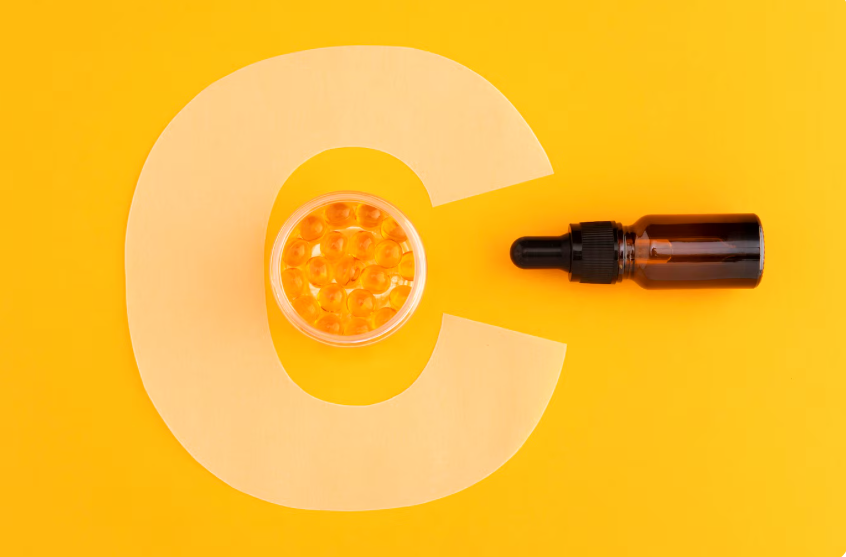
Retinol and Vitamin C are two of the most celebrated ingredients in modern skincare, each praised for their anti-aging, brightening, and collagen-boosting properties. While both offer impressive benefits, they function differently at the molecular level and serve unique roles in maintaining skin health. Understanding how these actives work is essential for anyone looking to build an effective and balanced skincare routine.
Origins and Composition
Retinol, a derivative of Vitamin A, is a fat-soluble compound that promotes cell turnover and boosts collagen production. Vitamin C, also known as ascorbic acid, is a water-soluble antioxidant that combats oxidative stress and helps fade hyperpigmentation. Both have roots in dermatological science dating back decades and are available in various strengths and formulations to suit different skin types.
How Retinol Works on Skin
Retinol penetrates the skin and works on the cellular level to accelerate cell renewal. It binds to specific receptors in the skin to stimulate collagen production, reduce the appearance of fine lines, and clear clogged pores. By speeding up the cell turnover process, retinol helps in resurfacing the skin, thereby improving its texture and tone over time. It’s considered a gold-standard ingredient in anti-aging treatments due to its long track record of efficacy.
How Vitamin C Benefits the Skin
Vitamin C primarily functions as an antioxidant, shielding the skin from environmental damage such as UV radiation and pollution. It also plays a role in collagen synthesis, although indirectly, and is exceptionally effective in brightening the skin. Vitamin C inhibits the enzyme tyrosinase, which is involved in melanin production, thereby reducing dark spots and promoting a more even complexion. Its protective and restorative properties make it ideal for daytime use.
Key Benefits of Retinol
Retinol is highly effective for reducing wrinkles, minimizing pores, controlling acne, and evening out skin texture. It’s particularly beneficial for mature or acne-prone skin. Clinical studies have shown significant improvement in fine lines and pigmentation with consistent use. However, it requires a gradual introduction into the skincare routine and often causes irritation during the initial stages, known as the retinization period.
Key Benefits of Vitamin C
Vitamin C is ideal for brightening dull skin, fading hyperpigmentation, and providing antioxidant protection. It helps prevent premature aging by neutralizing free radicals and is also known to enhance the effectiveness of sunscreen. Its anti-inflammatory properties make it suitable for sensitive or reactive skin types. Vitamin C also boosts radiance, making the skin look healthier and more vibrant.
Ideal Usage and Application Timing
Retinol is best used at night, as it can increase sun sensitivity and degrade when exposed to sunlight. It should be applied after cleansing and before moisturizing. On the other hand, Vitamin C is most effective in the morning routine. When applied before sunscreen, it enhances UV protection and helps the skin combat environmental stressors throughout the day. Timing and order of application are crucial to maximizing the benefits of each.
Potential Side Effects of Retinol
Despite its benefits, retinol can cause irritation, dryness, redness, and flaking, especially when first introduced or used in high concentrations. These side effects are usually temporary but can be uncomfortable. People with sensitive skin should start with a lower strength and use it every other night before building up to nightly application. Hydration and sun protection are critical when using retinol regularly.
Potential Side Effects of Vitamin C
Vitamin C is generally well-tolerated but may cause mild irritation or stinging, especially in higher concentrations or unstable formulations. It is important to choose a stabilized form of Vitamin C—like L-ascorbic acid in a pH-balanced serum—to minimize irritation and ensure effectiveness. Patch testing is advisable when trying a new Vitamin C product to avoid unexpected reactions.
Can Retinol and Vitamin C Be Used Together?
One of the most frequently asked questions in skincare is whether Retinol and Vitamin C can be used together. Traditionally, it was believed they should not be combined due to differences in pH levels. However, newer research and advanced formulations have made it possible to use them both—either in alternate routines (Vitamin C in the morning, Retinol at night) or layered in a single session if the skin can tolerate it. For beginners or those with sensitive skin, alternating use is often the safer approach.
Skin Types Best Suited for Retinol
Retinol is well-suited for those with oily, acne-prone, or aging skin. It helps clear up blemishes, refine pores, and reduce signs of aging. However, it may not be ideal for highly sensitive or dry skin unless used in micro-encapsulated forms or alongside nourishing ingredients like ceramides and hyaluronic acid. Consulting a dermatologist before starting a retinol regimen is advisable for individuals with rosacea or eczema.
Skin Types Best Suited for Vitamin C
Vitamin C is versatile and works well across all skin types, including sensitive and dry skin, depending on the formulation. Serums with lower concentrations (around 10%) are gentler and better suited for reactive skin, while stronger formulations (15-20%) offer more potent results for tough hyperpigmentation. It’s often the go-to choice for people looking to address uneven tone and environmental damage without triggering irritation.
Choosing the Right Product Formulation
Not all products are created equal. Retinol comes in various forms, including retinyl palmitate (mildest), retinaldehyde (moderate), and prescription-strength tretinoin (strongest). Beginners should start with over-the-counter retinol at 0.25% or 0.5% and increase as tolerated. Vitamin C serums should ideally be stored in opaque, air-tight packaging to prevent oxidation. Look for formulas containing stabilizers like ferulic acid and Vitamin E for increased efficacy.
Layering with Other Skincare Ingredients
Retinol should not be combined with exfoliating acids like AHAs and BHAs, as this may increase irritation. Instead, it pairs well with peptides, ceramides, and hydrating ingredients like glycerin or squalane. Vitamin C layers well with niacinamide, sunscreen, and hyaluronic acid. Some modern formulations even combine niacinamide and Vitamin C without destabilizing the mixture, offering a balanced boost in brightening and barrier support.
Storage and Shelf Life
Retinol should be stored away from light and heat to preserve its potency. Most retinol products come in aluminum tubes or opaque air-tight containers for this reason. Vitamin C is notoriously unstable and oxidizes quickly when exposed to air or light. Amber bottles or vacuum-sealed pumps are ideal, and products should be discarded if the serum changes color to dark orange or brown.
Pregnancy and Use Restrictions
Retinol is not recommended for use during pregnancy or breastfeeding due to potential risks associated with high doses of Vitamin A derivatives. Vitamin C, however, is considered safe during pregnancy and can be used to maintain skin clarity and health during that time. Always consult a healthcare provider before introducing any active ingredient during pregnancy.
Dermatologist Recommendations
Dermatologists often recommend using Vitamin C in the morning to protect against UV damage and retinol at night to encourage skin regeneration. Those with concerns about irritation are usually advised to buffer retinol with a gentle moisturizer or to start with a milder form like bakuchiol, a plant-based alternative. Professional advice is key for those dealing with severe acne, melasma, or aging concerns.
Affordability and Accessibility

Both Vitamin C and retinol products are widely available across drugstore, mid-tier, and luxury skincare brands. While higher-end products often include stabilized forms and sophisticated delivery systems, effective formulations can also be found at affordable prices. Brands like The Ordinary, CeraVe, and La Roche-Posay offer budget-friendly yet dermatologically tested options that are ideal for beginners.
Environmental Impact and Sustainability
Many brands now focus on eco-friendly packaging and ethically sourced ingredients for both retinol and Vitamin C products. Look for certifications such as cruelty-free, vegan, or sustainable sourcing when choosing a product. Refillable packaging, glass containers, and recyclable boxes contribute to a more sustainable skincare regimen without compromising on efficacy.
Final Verdict
The choice between Retinol and Vitamin C depends entirely on your skin type, concerns, and lifestyle. Retinol is unmatched in reversing visible signs of aging and treating acne, but it requires patience and tolerance building. Vitamin C, on the other hand, is a gentler alternative that provides antioxidant protection and brightening without significant downtime. Ideally, incorporating both—Vitamin C in the morning and Retinol at night—offers a balanced, comprehensive approach to healthy, glowing skin.


How Instant Money Loan Apps Work: From Application to Disbursal

Single Door Fridge vs Double Door Fridge: Which Is Right for Your Indian Home in 2026?
Understanding AI Agent Architecture: From Automation to Autonomous Intelligence

How DMCA Ignored Hosting Help Adult Content Sites?

Other Alternatives to the Bigbunny Login Casino
Web UI Design Services, Custom Web App Development, or Local Product Design: Where to Start

Type-C to C vs Type A to Type C Cable: What’s the Difference?

How Executive Search Software Selects and Manages Senior Leadership Candidates

Data Science Course in Pune with Placement Support: From Classroom Training to Your First Job

Ethical Hacking Courses in Mumbai with Placement: Institutes, Duration, Fees & Jobs 2026
Web UI Design Services, Custom Web App Development, or Local Product Design: Where to Start
Other Alternatives to the Bigbunny Login Casino
How DMCA Ignored Hosting Help Adult Content Sites?
Understanding AI Agent Architecture: From Automation to Autonomous Intelligence
Single Door Fridge vs Double Door Fridge: Which Is Right for Your Indian Home in 2026?
How Instant Money Loan Apps Work: From Application to Disbursal


 Tech2 years ago
How to Use a Temporary Number for WhatsApp
- Business3 years ago
Sepatuindonesia.com | Best Online Store in Indonesia
- Social Media2 years ago
The Best Methods to Download TikTok Videos Using SnapTik
- Technology2 years ago
Top High Paying Affiliate Programs
- Tech2 years ago
Understanding thejavasea.me Leaks Aio-TLP: A Comprehensive Guide
- FOOD2 years ago
How to Identify Pure Desi Ghee? Ultimate Guidelines for Purchasing Authentic Ghee Online

 Instagram4 years ago
Free Instagram Auto Follower Without Login
- Instagram4 years ago
Free Instagram Follower Without Login