
Blog
The Past and Present Walk Together in These Treks

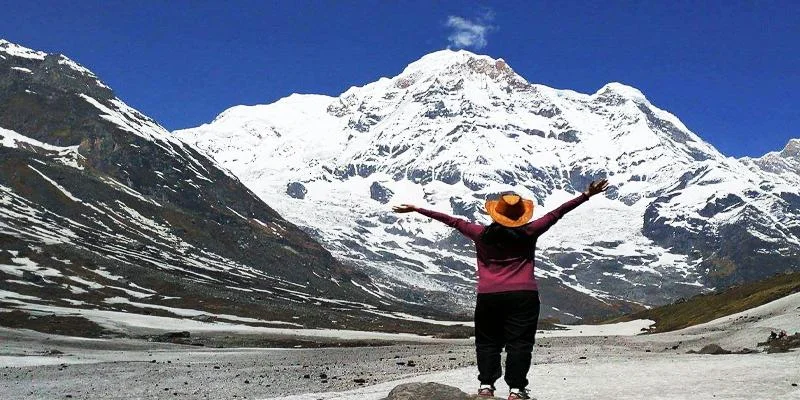
Trekking in Nepal is not fair around strolling through breathtaking scenes; it’s a trip through time, where antiquated conventions and advanced trekking foundations mix consistently. The Himalayas have been domestic to incalculable eras, and the trails that presently have trekkers from over the world were once utilized by dealers, travelers, and neighborhood villagers. This coexistence of history and cutting edge enterprise makes trekking in Nepal a one of a kind involvement. Underneath, we investigate a few of the most surprising treks where past and show walk hand in hand.
7 Days Annapurna Base Camp Trek
The 7 days Annapurna Base Camp (ABC) trek is an idealized blend of characteristic excellence, social lavishness, and enterprise, all pressed into a generally brief schedule. The trek takes you through conventional Gurung and Magar towns where the local people still keep up their centuries-old way of life. As you climb through rich rhododendron timberlands, terraced farmlands, and elevated scenes, you’ll witness how advanced lodges and teahouses have adjusted to cater to trekkers while protecting the quintessence of conventional mountain neighborliness. The trek comes full circle at Annapurna Base Camp (4,130m), advertising a strange amphitheater sea of Annapurna I, Machapuchare, and other towering peaks.
Langtang Valley Trek
Often portrayed as the “Valley of Ice sheets,” the Langtang Valley trek is one of Nepal’s most open, however socially wealthy trekking courses. The locale was intensely affected by the 2015 seismic tremor, but the flexibility of the neighborhood Tamang community has brought the trails back to life. Strolling through the Langtang Valley, you’ll see old cloisters, main dividers, and supplication banners nearby recently built teahouses that serve cutting edge trekkers. Kyanjin Gompa (3,870m), the otherworldly heart of the locale, gives a glimpse into Tibetan Buddhist culture while advertising marvelous sees of Langtang Lirung and other snow-capped peaks.
Upper Mustang Trek
If you need to walk through a scene that appears solidified in time, the Upper Mustang trek is the idealized choice. This once-forbidden kingdom, lying in the rain shadow of the Himalayas, is home to an interesting mix of Tibetan culture and fruitless, wind-carved scenes. Trekking through the antiquated walled city of Lo Manthang, you will witness centuries-old religious communities, caves, and royal residences that have remained generally untouched by advancement. Be that as it may, the presentation of cutting edge streets has started to alter the elements of the locale, permitting simpler get to whereas at the same time undermining its social segregation. Upper Mustang offers an opportunity to involve a medieval world some time recently that vanishes beneath the impact of globalization.
Annapurna Circuit Trek
One of Nepal’s most popular treks, the Annapurna Circuit trek, exhibits the advancement of trekking in the nation. Whereas parts of the unique path have been modified due to street development, the trek still offers extraordinary differing qualities in scenes, from subtropical timberlands to high-altitude deserts. The trek takes you through conventional towns, where ancient stone houses stand nearby present day guesthouses. The highlight of the trek is crossing the Thorong La Pass (5,416m), where the past and display merge in an exciting high-altitude challenge. In spite of modernization, the Annapurna Circuit remains a classic trek, protecting its courageous quintessence whilst pleasing modern trekking needs.
Should You Select These Treks?
These treks are perfect for anybody looking for a mix of enterprise, culture, and breathtaking view. Whether you’re a tenderfoot or an experienced trekker, each of these courses offers something interesting. If you need a brief but fulfilling trek, the Annapurna Base Camp or Langtang Valley trek is ideal. For those looking for a social inundation, Upper Mustang is unparalleled. And if you look for a long and varied trek, the Annapurna Circuit is a fabulous choice.
Best Time
The best seasons for trekking in Nepal are spring (March to May) and harvest time (September to November). These months offer steady climate, clear skies, and comfortable temperatures. Winter treks are conceivable but can be challenging due to snow in higher heights, whereas the rainstorm season (June to August) brings overwhelming precipitation, making trails elusive and hindering mountain sees, but for Upper Mustang, which lies in a rain-shadow range and can be trekked indeed amid monsoon.
Highlights and Routes
Annapurna Base Camp trek: trek through pleasant towns like Ghandruk and Chhomrong, pass through Machapuchare Base Camp, and reach Annapurna Base Camp with staggering 360-degree views of the Himalayas.
Langtang Valley trek: Take after the Langtang Waterway, pass through Langtang town, and reach Kyanjin Gompa with a chance to climb to Tserko Ri (5,000m) for all encompassing views.
Upper Mustang trek: Enter the antiquated kingdom of Lo Manthang, investigate caves, religious communities, and the interesting desolate scenes of Mustang.
Annapurna Circuit trek: Navigate through different scenes, encounter social lavishness, and challenge yourself by crossing the Thorong La Pass.
Tips for Safe and Responsible Trekking
Acclimatize Appropriately: Maintain a strategic distance from height ailment by taking your time and permitting your body to alter, particularly in high-altitude treks.
Leave No TracePack Shrewdly: Carry essential equipment, counting layered clothing, a great resting pack, trekking posts, and water refinement methods.
Respect Nearby Culture: Continuously inquire for consent some time recently taking photos, dress unassumingly, and take after neighborhood customs.
Hire a Guide or Porter: They not as it were to upgrade security but to give profitable social insights.
Leave No Trace: Carry your waste, utilize biodegradable cleansers, and regard nature.
Experiencing Local Culture and Hospitality
One of the best angles of trekking in Nepal is the warmth of the nearby individuals. Whether you remain in a teahouse or a homestay, you’ll be invited with open arms. The conventional Dal Bhat supper, butter tea, and yak cheese are must-try nourishments. Locking in with local people, tuning in to their stories, and partaking in neighborhood celebrations include another measurement to your trekking experience.
Preparation Tips for First-Time Trekkers
If you are trekking for the beginning with time, planning is key. Begin with standard cardio works out like running, cycling, or climbing to construct perseverance. Quality preparing and adaptability works out will moreover offer assistance. Contribute in great trekking adaptations, particularly comfortable boots and a waterproof coat. Rationally plan yourself for the challenges, from long strolling hours to essential convenience. Inquire about your trek, get it the course, and go with a positive attitude.
Conclusion
Trekking in Nepal is a journey that mixes history with the display, where old trails lead you to breathtaking scenes while interfacing you with wealthy societies. Whether you select the Annapurna Base Camp, Langtang Valley, Upper Mustang, or Annapurna Circuit, each trek offers an interesting story. With the right arrangement and a dependable approach, your trekking encounter will not only be an enterprise but also a profound social immersion.
FAQs
1. Do I require licenses for these treks?
Yes, most treks require licenses such as the Annapurna Preservation Range permit (ACAP), Langtang National Stop permit, or the Confined Zone permit for Upper Mustang.
2. Are these treks reasonable for beginners?
The Annapurna Base Camp and Langtang Valley treks are reasonable for apprentices, whereas the Upper Mustang and Annapurna Circuit treks require more perseverance and experience.
3. How physically requesting are these treks?
Trekking trouble changes. Annapurna Base Camp and Langtang Valley are direct, though Upper Mustang and Annapurna Circuit are more challenging due to longer separations and higher altitudes.
4. What kind of settlement is available?
Teahouses and lodges are accessible along all these courses, giving fundamental but comfortable lodging and food.
5. Can I trek solo, or do I require a guide?
While solo trekking is permitted on most courses, contracting a direct is suggested for security, route, and social bits of knowledge, particularly in farther zones like Upper Mustang.
By choosing any of these treks, you set out on a travel where the past and display genuinely walk together, making for an exceptional experience in the Himalayas.
Contact Details
Company address:Nepal High Trek & Expedition Pvt. Ltd.
Khusibun -16, Kathmandu
Nepal, Post Box No:5981
Mobile & whatsapp : +977 985-1142116
Email: info@nepalhightrek.com


TrendyTech’s Data Engineer Training: Build Skills for a Successful Career

Why FastTurnPCBs Matters for High-Frequency PCB Projects

CurlyMe Hair Half Wigs & Crochet Hair For Summer Protective Style
5 Simple CNC Tooling Choices That Improve Shop Efficiency
How Trading Apps Are Shaping the Future of Retail Investing

Migrating from Prometheus to VictoriaMetrics: A Step-by-Step Guide

How Journalists and News Researchers Stay on Top of Multi-Region Coverage in 2026

How Primary 5 Maths Tuition Helps Prevent Careless Math Mistakes
O Level Chemistry Book Excellence: How SAP Helps Students Prepare with Confidence

Low efficiency in small-batch production Smart manufacturing and automation solutions help you cut costs by 30%.
Low efficiency in small-batch production Smart manufacturing and automation solutions help you cut costs by 30%.

How Technology Has Changed Criminal Investigations
O Level Chemistry Book Excellence: How SAP Helps Students Prepare with Confidence
How Journalists and News Researchers Stay on Top of Multi-Region Coverage in 2026

Expert Tips for Achieving Flawless OQ Hair Feather Crochet Hair
How Primary 5 Maths Tuition Helps Prevent Careless Math Mistakes
5 Simple CNC Tooling Choices That Improve Shop Efficiency
Migrating from Prometheus to VictoriaMetrics: A Step-by-Step Guide
CurlyMe Hair Half Wigs & Crochet Hair For Summer Protective Style
How Trading Apps Are Shaping the Future of Retail Investing


 Tech2 years ago
How to Use a Temporary Number for WhatsApp
- Business2 years ago
Sepatuindonesia.com | Best Online Store in Indonesia
- Social Media2 years ago
The Best Methods to Download TikTok Videos Using SnapTik
- Technology2 years ago
Top High Paying Affiliate Programs
- Tech1 year ago
Understanding thejavasea.me Leaks Aio-TLP: A Comprehensive Guide
- FOOD2 years ago
How to Identify Pure Desi Ghee? Ultimate Guidelines for Purchasing Authentic Ghee Online

 Instagram4 years ago
Free Instagram Auto Follower Without Login
- Instagram4 years ago
Free Instagram Follower Without Login