
Business
7 Features Every Flyer Should Consider Before Buying Aviation Gear

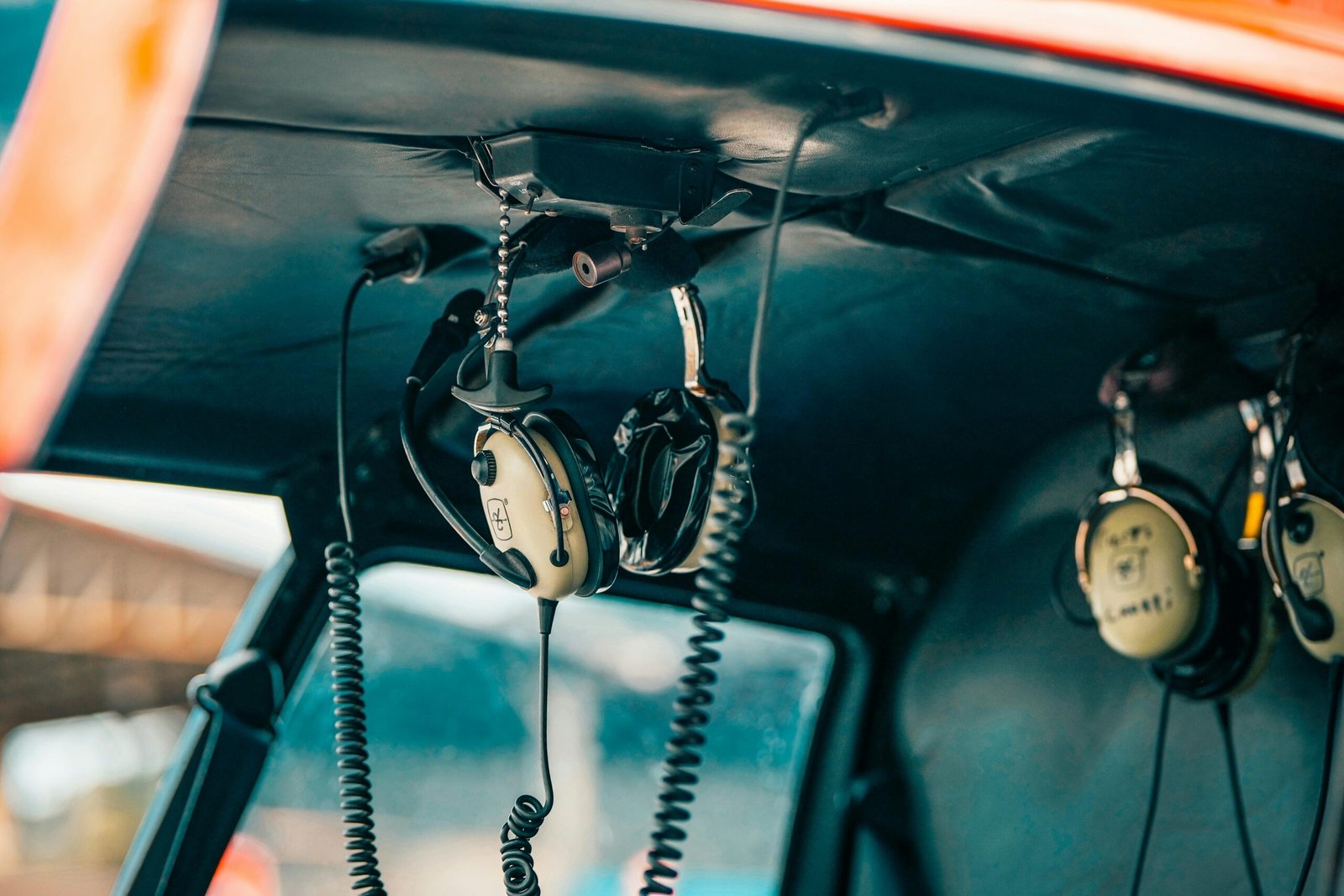
Aviation gear plays a crucial role in safety, comfort, and performance for both new and experienced flyers. Whether you are a student pilot, recreational flyer, or seasoned professional, the equipment you choose directly affects your experience in the cockpit. With so many options available, it can be challenging to determine which features truly matter. Focusing on quality, functionality, and long term value helps ensure that your aviation gear supports you through every flight. By understanding what to look for, you can make informed decisions that enhance both safety and enjoyment in the air.
Comfort and Fit for Long Flights
Comfort is one of the most important considerations when selecting aviation gear. Pilots often spend hours in the cockpit, and equipment that feels heavy, tight, or awkward can quickly become distracting. Items such as flight bags, kneeboards, and especially headsets should fit comfortably and remain secure throughout the flight.
Look for adjustable components, lightweight materials, and ergonomic designs that reduce strain. For example, reputable pilot headsets typically offer cushioned ear seals, flexible headbands, and balanced weight distribution to minimize fatigue. Prioritizing comfort ensures you stay focused and alert, especially during long or demanding flights.
Durability and Build Quality
Aviation gear must withstand frequent use, varying temperatures, and the occasional bump or drop. Durability is essential not only for longevity but also for safety. High quality materials such as reinforced stitching, impact resistant plastics, and corrosion resistant metals help ensure your gear performs reliably over time.
When evaluating durability, consider how often you fly and the environments you encounter. Pilots who train regularly or fly in diverse conditions benefit from gear designed to handle wear and tear. Investing in well built equipment reduces the likelihood of mid flight failures and saves money in the long run by minimizing replacements.
Noise Reduction and Communication Clarity
Clear communication is vital in aviation. Whether you are talking with air traffic control, communicating with passengers, or coordinating with another pilot, your gear must support crisp, uninterrupted audio. Noise reduction is especially important in louder aircraft, where engine and wind noise can interfere with communication.
Active noise reduction (ANR) technology helps block ambient noise, while passive noise reduction (PNR) relies on physical insulation. Both options can be effective depending on your aircraft and personal preference. When choosing communication gear, prioritize clarity, volume control, and microphone quality to ensure you never miss important instructions or alerts.
Compatibility With Your Aircraft and Equipment
Not all aviation gear is universally compatible. Before purchasing, make sure the equipment works with your aircraft’s systems and your existing tools. This is especially important for headsets, GPS devices, and electronic flight bags. Some aircraft require specific plug types or adapters, while others may have limitations on power sources or mounting options.
Checking compatibility ahead of time prevents frustration and ensures seamless integration. If you fly multiple aircraft, consider gear that offers flexible connectivity or interchangeable components. Versatile equipment allows you to transition smoothly between different cockpits without sacrificing performance.
Safety Enhancing Features
Safety should always be at the forefront when selecting aviation gear. Many modern tools include features designed to enhance situational awareness and reduce risk. For example, GPS units with terrain alerts, kneeboards with secure straps, and flight bags with organized compartments all contribute to safer, more efficient flying.
Reflective materials, fire resistant fabrics, and reinforced construction can also improve safety in unexpected situations. When evaluating gear, consider how each item supports your ability to stay organized, informed, and prepared during every phase of flight.
Ease of Use and Accessibility
Aviation gear should simplify your workflow, not complicate it. Items that are difficult to operate, adjust, or access can slow you down and create unnecessary distractions. Look for intuitive designs that allow you to make quick adjustments without taking your attention away from flying.
Features such as quick release buckles, clearly labeled controls, and streamlined layouts help ensure your gear supports smooth operation. Pilots benefit from equipment that enhances efficiency, especially during busy phases like takeoff, landing, and navigation changes.
Value and Long Term Investment
While cost is an important factor, value should guide your purchasing decisions. High quality aviation gear is an investment that pays off through reliability, comfort, and performance. Cheaper alternatives may seem appealing initially but often lack durability or essential features.
Consider how often you fly, the environments you encounter, and the level of performance you expect. Choosing gear that balances quality and affordability ensures you get the most from your investment. Long term value comes from equipment that consistently supports your needs and withstands the demands of aviation.
Conclusion
Selecting aviation gear requires thoughtful consideration of comfort, durability, communication clarity, compatibility, safety features, ease of use, and long term value. By focusing on these essential elements, flyers can build a reliable collection of equipment that enhances every flight. If you want help comparing specific gear options or narrowing down choices based on your flying style, I can walk you through a tailored breakdown.


Yuppow.con: What You Should Know Before Visiting

Moviws2watch: What You Should Know First

Methstreamz: What to Know Before Streaming

Lekulent: What It Means and Why People Are Curious

Hdtodat: Meaning, Uses, and Practical Value Today

Eroaberry: What It Is and What Users Should Know

Allgames365: A Complete Look at the Platform Experience

Why Choosing a Professional Noida Digital Marketing Agency Matters in 2026

vmovee: What to Know Before You Stream

rarbgget.org: What Users Should Know Today

dikganes Explained: Meaning, Usage, and Digital Significance

FilmyzillaHD Explained: Movies, Risks, Legality, and Facts

Freemasx – A Complete Guide to Understanding the Platform

Epirnet: Transforming Digital Connectivity Today

Thithub: A Deep Dive Into the Platform’s Real Value

Dedicated Server Hosting Provider: What to Look For

iPhone 15 Cover: What Makes One Worth Buying and Another a Waste of Money

Navigating the Future of High-Performance Streaming: The Search for a New Standard

taktubr Explained: Meaning, Usage, and Digital Significance

Pinaflux: A Comprehensive Guide to the Rising Digital Innovation
Yuppow.con: What You Should Know Before Visiting
Moviws2watch: What You Should Know First
Methstreamz: What to Know Before Streaming

How to Use a Temporary Number for WhatsApp

Sepatuindonesia.com | Best Online Store in Indonesia

The Best Methods to Download TikTok Videos Using SnapTik
-
 Tech1 year ago
How to Use a Temporary Number for WhatsApp
-
 Business2 years ago
Sepatuindonesia.com | Best Online Store in Indonesia
-
 Social Media2 years ago
The Best Methods to Download TikTok Videos Using SnapTik
-

 Technology2 years ago
Top High Paying Affiliate Programs
-

 Tech1 year ago
Understanding thejavasea.me Leaks Aio-TLP: A Comprehensive Guide
-

 FOOD1 year ago
How to Identify Pure Desi Ghee? Ultimate Guidelines for Purchasing Authentic Ghee Online
-
 Instagram3 years ago
Free Instagram Auto Follower Without Login
-
 Instagram3 years ago
Free Instagram Follower Without Login